
Signed Copy of The Age of Engraving Book
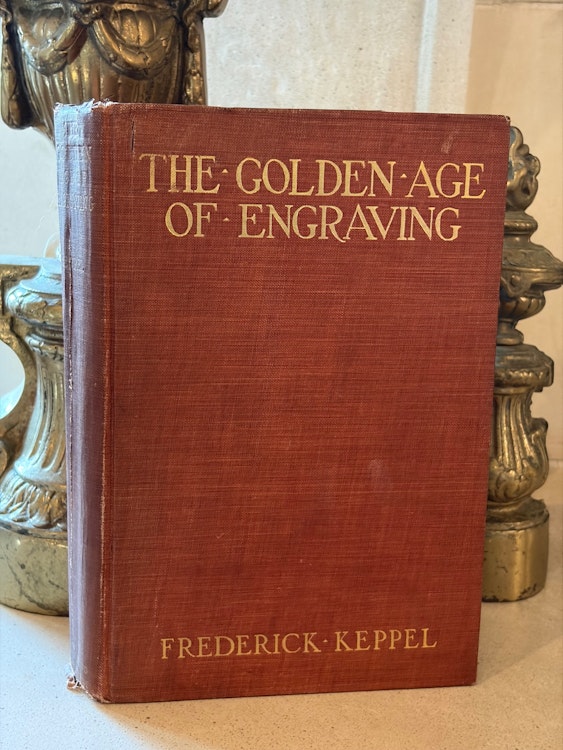
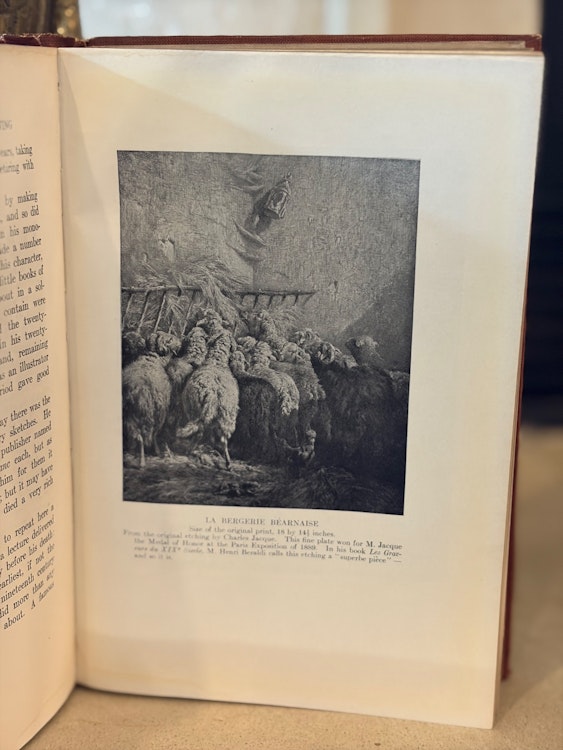
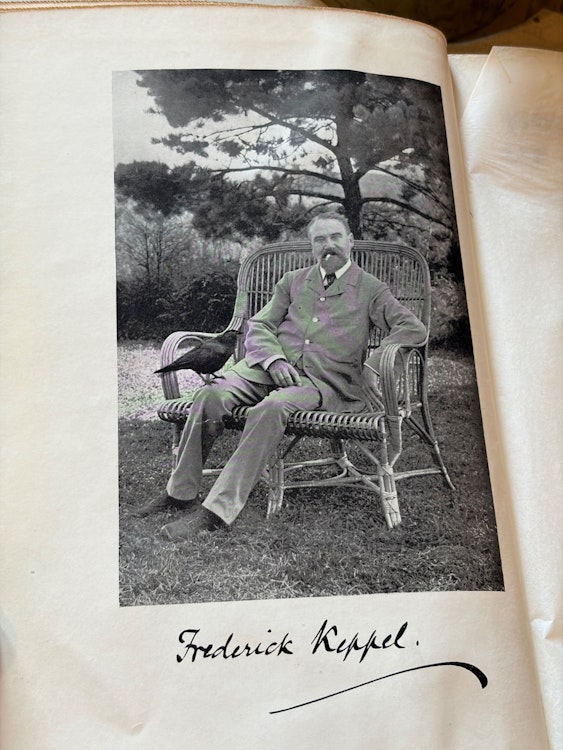
About product: • Title: The Golden Age of Engraving: A Specialist's Story about Fine Prints • Author: Frederick Keppel • Publisher: The Baker & Taylor Company, New York • Year: 1910 • Subject: A comprehensive history and guide to fine art prints and engravings from 1465 to 1910. This isn't a storybook; it's a "Specialist's Story." Frederick Keppel was one of the most famous and influential art dealers in New York during the late 19th and early 20th centuries. • Keppel wasn't just a historian; he was the man who helped build the great print collections of the Gilded Age. In this book, he shares his personal anecdotes, "insider" tips on how to spot a masterpiece, and the history of the world's greatest engravers (like Rembrandt and Dürer). • Keppel was a huge promoter of the "Etching Revival" and was close friends with famous artists like James McNeill Whistler. The book serves as a primary source for how people collected art during that era. • Illustrations: The book contains 262 illustrations. • The Aesthetic: The "pumpkin" or light-brown cloth cover with gilt embossed wording. This copy has been signed by the author.
$65.00· Free shipping
- Title: The Golden Age of Engraving: A Specialist's Story about Fine Prints
- Author: Frederick Keppel
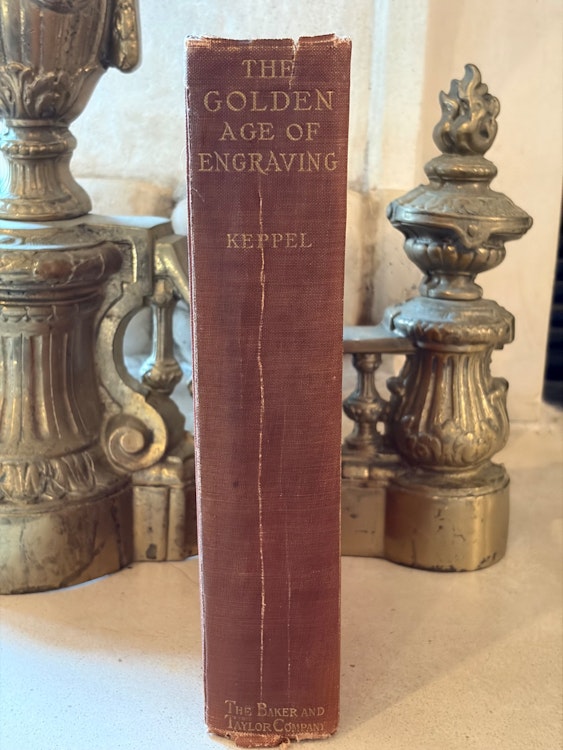
- Publisher: The Baker & Taylor Company, New York
- Year: 1910
- Subject: A comprehensive history and guide to fine art prints and engravings from 1465 to 1910.
This isn't a storybook; it's a "Specialist's Story." Frederick Keppel was one of the most famous and influential art dealers in New York during the late 19th and early 20th centuries.
- Keppel wasn't just a historian; he was the man who helped build the great print collections of the Gilded Age. In this book, he shares his personal anecdotes, "insider" tips on how to spot a masterpiece, and the history of the world's greatest engravers (like Rembrandt and Dürer).
- Keppel was a huge promoter of the "Etching Revival" and was close friends with famous artists like James McNeill Whistler. The book serves as a primary source for how people collected art during that era.
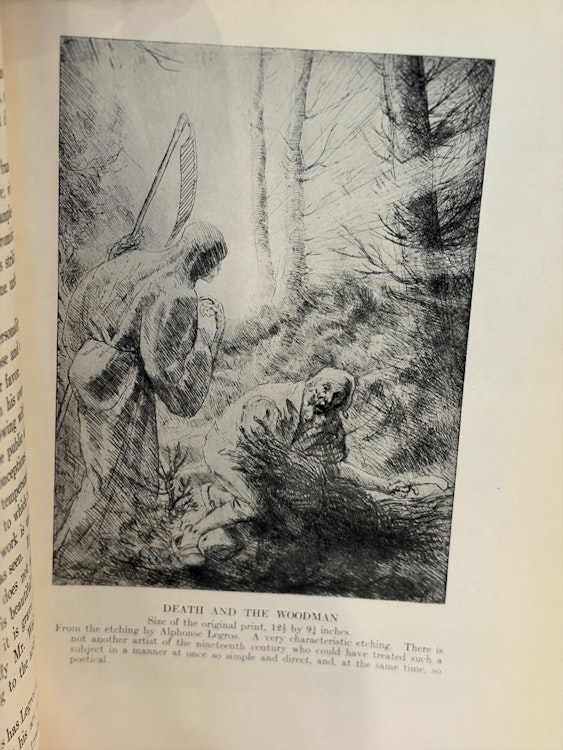
- Illustrations: The book contains 262 illustrations.
- The Aesthetic: The "pumpkin" or light-brown cloth cover with gilt embossed wording.
This copy has been signed by the author.